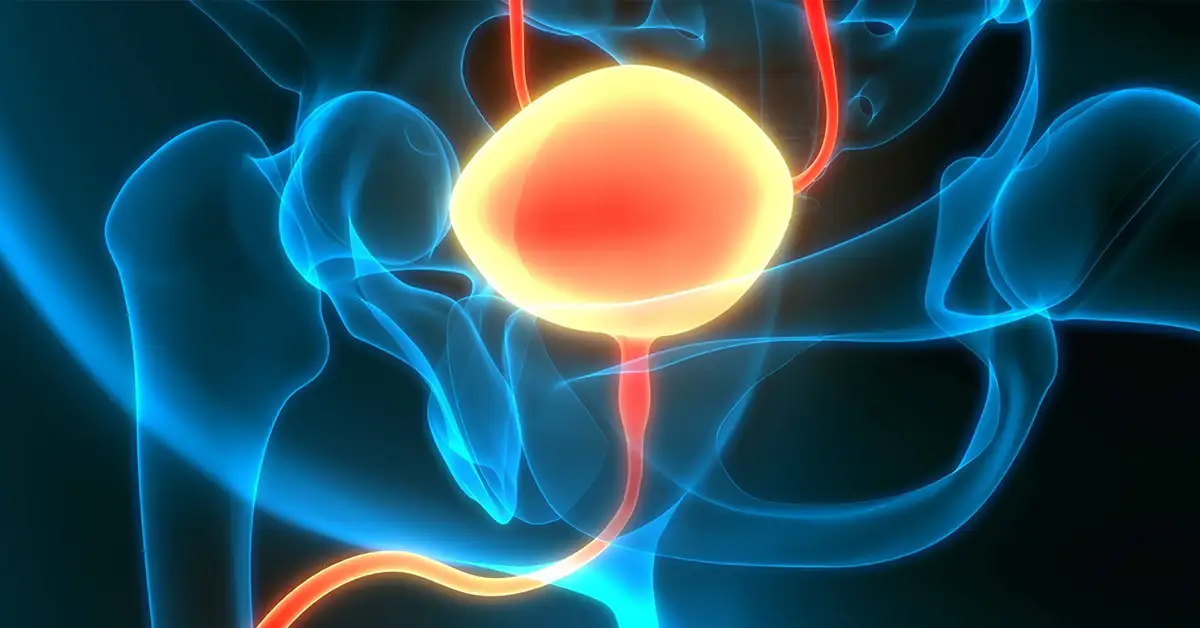
Overactive Bladder Syndrome is where someone suddenly gets a strong need to pass urine. This is due to miscommunication between the brain and bladder, causing the bladder muscle to contract too often, involuntarily. It is a common problem, affecting 12% of the UK population (male and female). Often there is no known cause but symptoms can worsen with age.
The risk of getting OAB can be increased by:
Some of the symptoms you may experience with OAB include;
There are a number of things that your GP, Urologist or Urogynaecologist can do to identify an overactive bladder, including a urine test, physical examination and bladder scans. You may also be asked to keep a symptom diary to identify triggers.
Sometimes, OAB can be worse at night. If you find that you only experience no symptoms in the day but do at night, you may have nocturia, a condition that causes frequent urination at night.
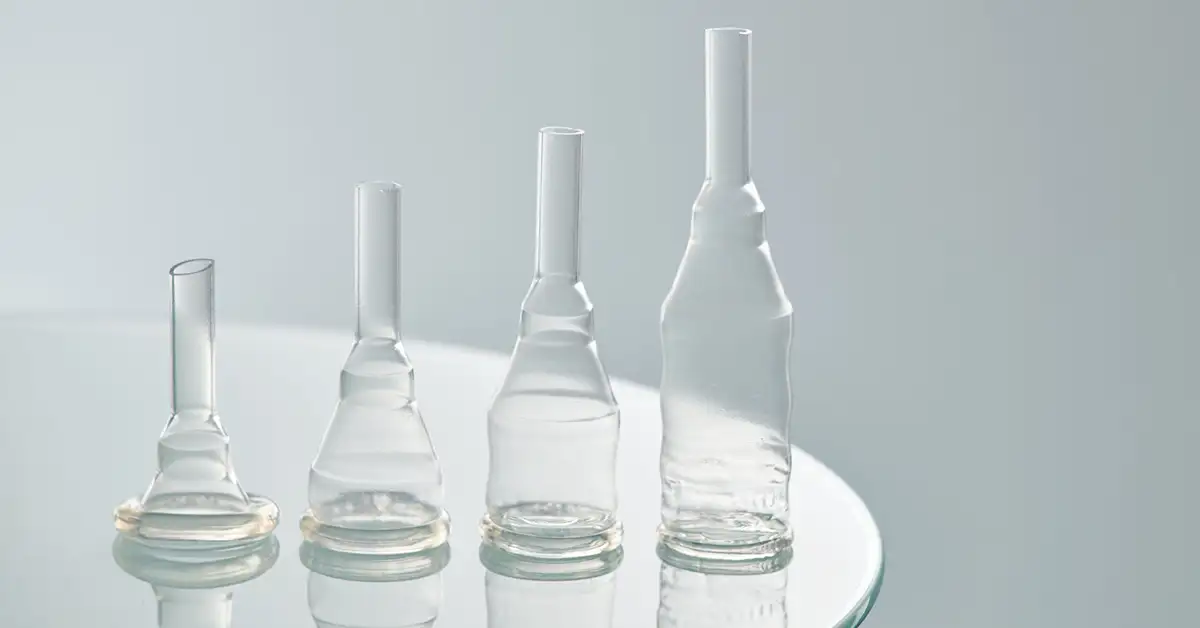
For those living with an overactive bladder it can be inconvenient, embarrassing with a feeling of low self-esteem and self-control. However, there are treatments and ways to manage your symptoms to help you live more freely. Such management options include lifestyle changes, such as diets, fluid intake, losing weight and bladder training. Using products such as pads, disposable underwear or a sheath and drainage bag system, if you a male, can also help with an overactive bladder. Certain medications can also be prescribed.
Bladder Health UK: A charity that supports people with bladder challenges.
Category
Bladder
Date
August 18, 2026